

Netflix–Warner Bros Merger: Impact on Intellectual Property & India’s Entertainment Industry
Netflix’s proposed acquisition of Warner Bros. (the studios and streaming assets) is a game-changer for intellectual property control, global franchise strategy, and distribution power and it will have an outsized, mixed impact on India’s film and streaming ecosystem. The transaction centralizes huge franchises, content libraries and marketing muscle under a single streaming-first owner which creates both commercial opportunities (bigger budgets, global scale, stronger IP monetization) and material risks (reduced theatrical supply, regulator scrutiny, and pressure on independent creators and exhibitors).
Below I unpack the deal, how it changes IP ownership and exploitation, and what it practically means for India, for streamers, studios, creators, cinemas and consumers.
What happened (the headline facts)
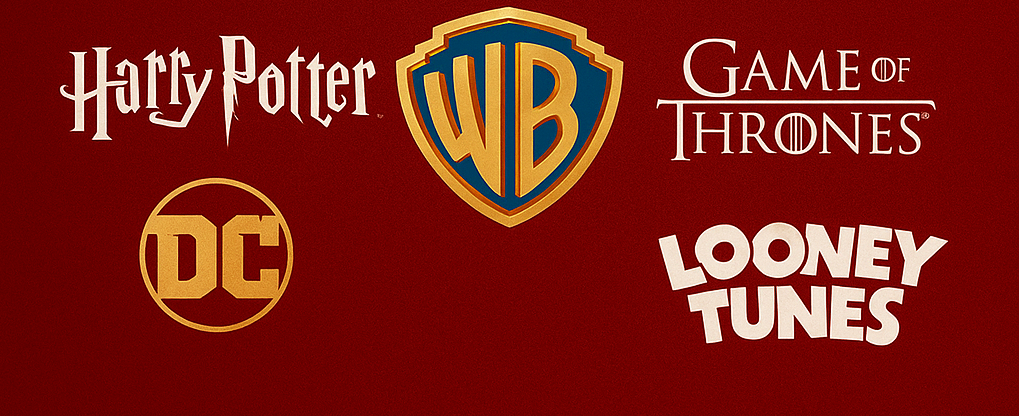
In early December 2025 Netflix agreed to acquire Warner Bros.’ streaming and studio assets in a transaction reported at roughly $72–83 billion (different press figures vary by enterprise / equity valuation and exactly which assets are included). The package includes Warner Bros. studio, HBO/HBO Max streaming assets and a rich library of film and TV IP, everything from Harry Potter, DC (Batman/Superman) and The Lord of the Rings adjacent rights (where applicable), to HBO prestige series like Game of Thrones and Succession. The deal excludes some of Warner’s linear/cable assets that the seller is positioning to spin off. The parties have flagged that the separation of WBD’s Global Networks from its Streaming & Studios business would precede closing.
The acquisition instantly creates one of the largest vertically integrated content owners in streaming history, combining Netflix’s global subscriber scale (and data/algorithm capabilities) with decades of studio production, theatrical distribution relationships, and major franchises. Expect heightened regulatory attention worldwide because this is a concentration of content, distribution and marketing power.
What this means for Intellectual Property ownership and exploitation (high level)
- Consolidated control of marquee IP.
Netflix would own, directly or via newly structured subsidiaries, rights to massive franchises and libraries. That means Netflix can decide where, when and how those properties are exploited: streaming first, theatrical release, licensing to third parties, global merchandising, theme-park tie-ins, games and more. The scale of the catalogue lets Netflix monetise IP across multiple channels more aggressively and coordinate global release strategies. - Stronger franchise development pipeline.
With internal studio capacity plus Netflix’s data insights and capital, there’s potential for ambitious multi-year franchise plans (sequels, spin-offs, international adaptations, animeization, games). IP that previously sat in silos can be cross-pollinated into new formats at accelerated speed. But creative stewardship matters: consolidation can lead to homogenised decision-making if data/metrics trump editorial risk-taking. - Negotiating leverage and licensing dynamics.
Netflix would be a supplier and a major buyer. It could choose to pull certain titles exclusively to its own platform (reducing third-party licensing) or sell windows selectively to maximize revenue. That shift changes the licensing marketplace: studios, broadcasters and international distributors will need new strategies, and smaller platforms or local TV windows could lose access to premium content. - Merchandising, gaming and transmedia opportunity.
Owning IP means Netflix can build direct-to-fan merchandising, native gaming tie-ins, and experiential products (events, parks) without negotiating with an external rights holder. That’s a high-margin revenue path and one Netflix has expressed interest in previously now it would be turbocharged with DC, Wizarding World, and HBO IP. - IP compliance and legal complexity.
Bringing two giant rights portfolios together creates legal housekeeping: cleared music and talent deals, co-production clauses, pre-existing licensing commitments, third-party profit participation, and territorial carve-outs. Managing those obligations — especially in markets with different copyright frameworks and moral-rights rules — will be operationally complex and potentially costly.
Practical implications for Intellectual Property in India
India is both a massive market (streaming and theatrical) and a content hub — and the Netflix–Warner aggregation touches it in several ways.
1. Theatrical windowing and multiplex economics — a real worry for exhibitors
Indian multiplex chains and the trade have publicly flagged concerns that a streaming-first owner could deprioritise theatrical releases or shorten theatrical windows, reducing supply of Hollywood titles that draw audiences to cinemas. India’s multiplexes depend not only on local blockbusters but also on a regular pipeline of international films to keep screens busy and drive concession revenues. The Multiplex Association of India and trade press have warned the deal could cause “existential” disruption for exhibitors.
What to expect in practice:
- Shorter theatrical windows for some franchises or simultaneous releases (day-and-date), especially for mid-tier films.
- Selective theatrical releases for tentpole IP that Netflix wants to position as global streaming drivers; studios may still choose theatrical where it’s financially sensible, but with more negotiation over terms.
- Pressure on smaller distributors and regional-language exhibitors who rely on an eclectic slate of English-language and co-produced international films.
2. Streaming competition and bundling in India
Netflix is already a major player in India with a growing catalog of local originals. Adding Warner/HBO content would deepen its catalogue dramatically, strengthening Netflix’s value proposition vs. Disney+Hotstar, Amazon Prime Video, local players (ZEE5, JioCinema), and free ad-supported players.
Potential outcomes:
- Stronger subscriber acquisition & retention in India for Netflix, especially among premium urban subscribers who value Hollywood franchises.
- Bundling and tiered pricing: Netflix may improve its ad tier offering or create premium bundles with theatrical events or early access, which could force competitors to revise pricing and content spend in India.
3. Local production, co-productions and talent opportunities
Netflix’s expanded studio muscle could mean more production dollars flowing to India — whether via international teams shooting in India, localized adaptations of global IP, or more ambitious Indian originals benefiting from cross-studio resources (VFX, post, marketing).
Opportunities:
- Bigger budgets for high-end Indian productions (period epics, visual-effects heavy projects) as Netflix leverages studio facilities and global finance.
- Franchise adaptations: the company might greenlight Indian spin-offs of global franchises or local language adaptations, offering Indian creators access to global IP pipelines.
But there are caveats:
- Global priorities may eclipse local sensibilities: content decisions could be data-driven from Netflix HQ with risk of under-investing in culturally specific stories unless local leadership is empowered.
- Talent bargaining power could increase for top creators, but smaller creators might face more competition for studio resources.
4. Regulatory and competition scrutiny in India
The deal will attract scrutiny from competition authorities globally and India is no exception. Regulators will examine whether the combined entity substantially lessens competition in streaming, content licensing and related markets in India. Issues that Indian authorities might examine include:
- Market share in premium English/series streaming and content licensing, especially if the merged firm forecloses supply to rivals.
- Vertical foreclosure risks, e.g., preferential treatment of Netflix’s own studio productions on the platform.
- Consumer harm arguments: whether reduced competition could lead to higher prices or reduced choice.
If regulators impose remedies (divestitures, licensing commitments, behavioural remedies), the precise shape of Netflix’s India strategy could change. Netflix will need to present a theory of competition (how it competes with ad-supported, free platforms like YouTube and local players) that Indian authorities accept and that’s not a foregone conclusion.
5. IP enforcement, local rights and censorship compliance
India’s IP regime (copyright, moral rights, performers’ rights) and content rules (certification, rules around religious sentiment and obscenity) require local compliance. Netflix’s ownership of studio IP means:
- Clearance work: existing contracts with Indian distributors, dubbing and localisation rights, and prior territorial licensing must be respected.
- Censorship and certification: Netflix may need to maintain or rework distribution strategies (theatrical vs. streaming) to align with the Central Board of Film Certification and local standards.
- Anti-piracy enforcement: Netflix could intensify anti-piracy enforcement in India using studio resources, but enforcement depends on local enforcement capacity and cooperation with platforms.
6. Merchandising, theme parks and ancillary revenue in India
Large franchises open merchandising and experiential revenue channels in India (licensed merchandise, themed experiences, games). Netflix’s potential push into merchandising and gaming tied to Warner IP presents a commercial opportunity for Indian licensees and creators to collaborate on localised products if Netflix elects to build those programmes in India. However, IP policing and counterfeit markets remain a challenge.
Risks and tensions specific to India
- Theatrical ecosystem disruption. Multiplexes fear loss of tentpoles and window shortening. That will be a political and economic flashpoint, expect trade negotiations, exhibitor lobbying and possibly conditional regulatory remedies designed to protect theatrical windows or ensure access.
- Regulatory friction. India might require commitments (e.g., license availability to local broadcasters) as part of merger clearance potentially affecting Netflix’s global playbook.
- Creative homogenisation. If global franchise economics dominate, there’s a risk that nuanced regional storytelling loses budget priority compared with global tentpoles.
- Talent and vendor consolidation. More internalisation of production services (VFX, post, distribution) could squeeze local vendors unless Netflix builds partnerships.
Opportunities for Indian stakeholders
- Bigger co-production and funding opportunities. Studios and producers with premium IP or scalable concepts could secure co-production deals and higher budgets.
- Export pathways. Indian creators could develop localised adaptations of Warner IP or pitch original IP for global scaling on the merged platform.
- Ancillary commerce & licensing. Local manufacturers and retail chains could benefit from official licensed merchandise for DC, Wizarding World, and more.
- Service exports. India’s VFX, animation and post-production industries could win more studio work as Netflix leans on in-house production capacity.
What creators, exhibitors and regulators should watch (practical checklist)
For creators and producers in India:
- Renegotiate existing deals carefully check force majeure/assignment and consent clauses if rights move to a new corporate owner.
- Preserve participation clauses profit participation and backend points can be complex when ownership changes; hire IP and media counsel.
- Pitch strategies think about how an IP can be localised globally (formats, spin-offs, language variants).
For cinemas and distributors:
- Engage in trade negotiation with global studios and the merged entity about windows and promotional support.
- Diversify slate double down on local blockbusters and experiential cinema to maintain footfall.
For regulators and policymakers:
- Define relevant markets carefully (premium subscription streaming vs ad-supported vs theatrical) and assess vertical foreclosure risk.
- Consider remedies (access commitments, licensing floors, theatrical windows) that balance innovation with fair competition.
The big legal and business unknowns
- Regulatory outcomes. If antitrust authorities impose divestitures or conditions, Netflix’s final holdings and strategies for India could change materially.
- Talent/union pushback. Creative guilds (writers, actors) have voiced concern in other markets; labour tensions could affect production plans.
- Execution risk. Integrating studio operations, clearing legacy deals and aligning corporate cultures is hard. If Netflix fails to manage these operational risks, the promised upside could be delayed or reduced.
Bottom line: a balanced view
This deal (if cleared and implemented largely as proposed) centralises an extraordinary amount of creative IP and distribution capability under Netflix. For India, that brings big commercial upside larger budgets, potential global launches from Indian creatives, expanded merchandising and game plans but also real downside risks: pressure on theatrical distribution, potential content foreclosures, and a need for careful regulatory oversight.
The next 12–24 months will be decisive: regulators worldwide (including India) will probe competition concerns; multiplexes will negotiate; and creators will test whether the merged company delivers more creative opportunities or simply squeezes independent voices. Stakeholders should prepare for negotiation not just celebration or panic. The outcome will shape how global IP is monetised and how Indian culture participates in that global pipeline for years to come.
Check out other blogs here.
Connect with me on Linkedin here.